In our previous piece on leadership, we left off with Giovanni Ernani in the film Viva la libertà, speaking from a rally stage and urging the audience to look within themselves for the passion that fuels their ideals. The invitation seemed addressed to one person in the crowd, but it was actually meant for everyone present.
However, there is one point worth exploring further. Passion originates within the individual, but it does not grow by itself. It needs an environment that recognises and nurtures it, and gives it a shared direction.
‘A man alone in command.’ With these words, radio commentator Mario Ferretti described Fausto Coppi’s breakaway on the Cuneo–Pinerolo stage of the 1949 Giro d’Italia. It is a powerful image that we still use today to describe a leader who makes decisions and acts alone. Yet even Coppi did not race alone: behind his victories lay teamwork that could not be seen during the race, and domestiques who supported him and brought him back to the front whenever needed.
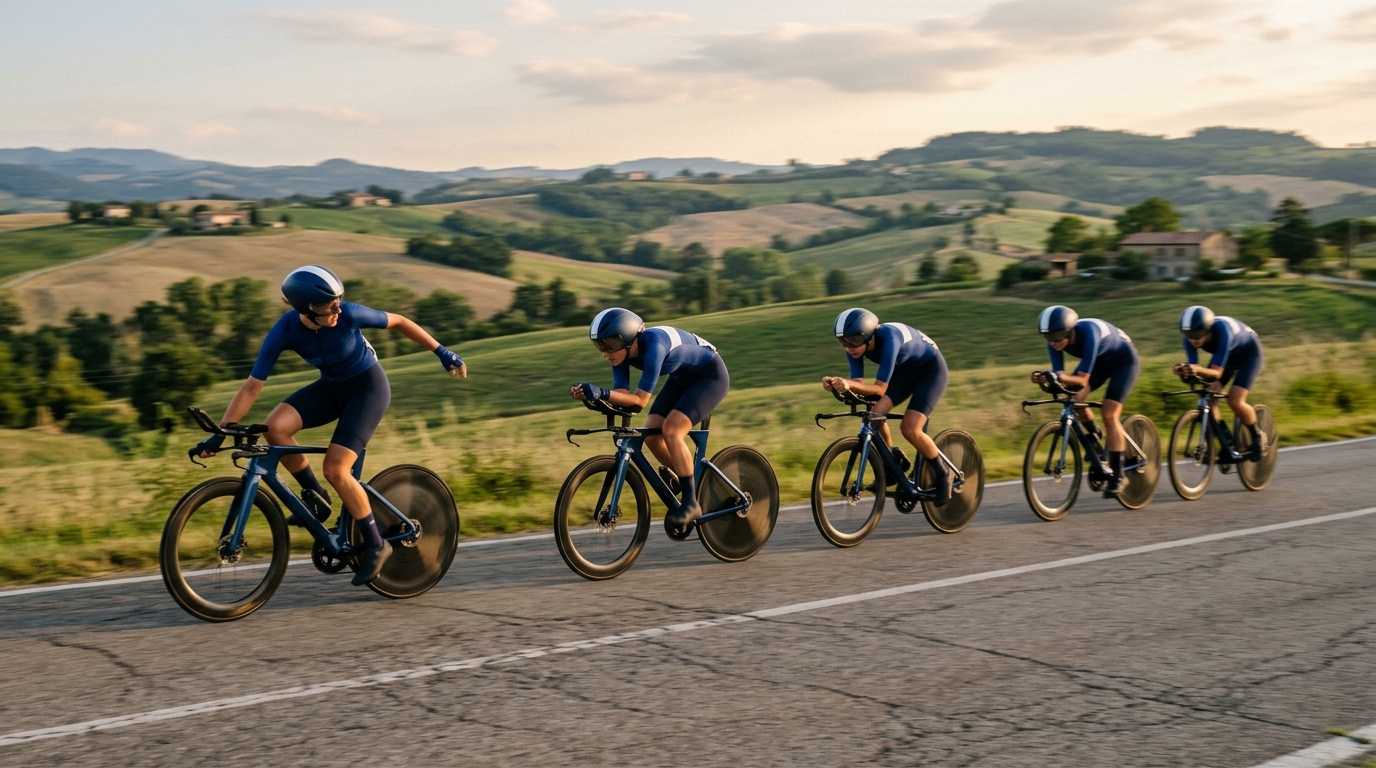 The same applies in business. The ‘man alone in command’ does not last long. And even the most capable person needs others to make a significant contribution to the group’s growth.
But what does it actually mean to feel part of an organisation? It means knowing that your work matters and that you are appreciated for the results you achieve. Grand gestures are not necessary. It is enough for a colleague in purchasing to know that their negotiation saved the margin on an order – and for someone to acknowledge it. This awareness is what builds team spirit among colleagues, and it is how the leader within each person finds room to emerge.
In SMEs, this atmosphere does not happen by chance. Business owners and management play different roles, both necessary, in building a collaborative and rewarding work environment. Business owners have a task that no one else can perform on their behalf: setting out a long-term vision and the values they believe in. Sharing these with their people strengthens cohesion, because it gives everyone a reason to move in the same direction.
It is the owner’s leadership style, not regulations or organisational charts, that spreads a sense of belonging throughout the company.
However, there is a limit that no pay policy can overcome. If the company’s most important goal boils down to the dividend, it is hard to share it as a team goal. Even if salaries are above average.
Salaries keep people. Values engage them.
A goal that speaks only to shareholders leaves everyone else watching the race from the roadside. By contrast, a shared vision places a piece of the common result in the hands of every employee. That is when individual passion – the kind Giovanni Ernani spoke of – stops being a private matter and becomes energy for the whole group.
This piece is part of the sixth face of the Rubik’s cube, dedicated to leadership: a concept that delivers the best results when it is not concentrated in a single person.
In the next piece, we will see why good organisations have not just one leader but many, and what contribution management – starting with the CFO – can make to spreading a positive working climate.
Do the people in your company know how much their work matters to everyone’s results?
Share your thoughts with us, and follow me on LinkedIn @Pietro Cavalli so you don’t miss the next piece of the journey. Kenning Consulting accompanies small and medium-sized businesses in building a growth plan supported by management control tools tailored to their development stage.